
How to Prepare Your Horse for a Photoshoot
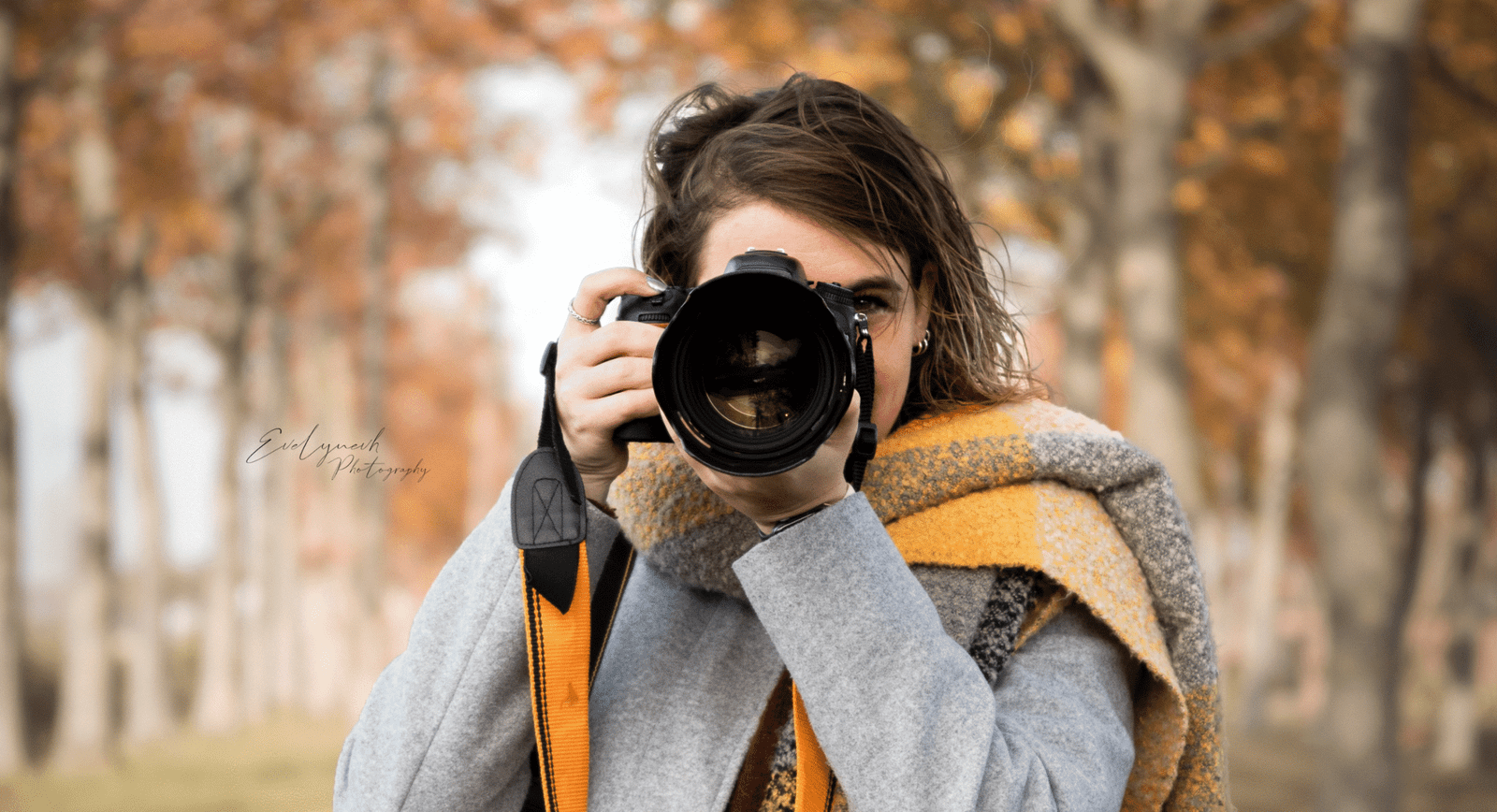
Your guide to preparing your horse for a relaxed, beautiful horse photography session.
Getting ready for a horse photoshoot should be exciting, not stressful. Whether you’re dreaming of beautiful horse portraits, photographs with your horse, or dramatic images capturing their movement and personality, a little preparation can make the experience smoother for both of you.
But let me tell you something before we start: your horse doesn’t have to look like they’ve just stepped out of a show ring, and they certainly don’t have to stand perfectly still for every photograph.
I’m Sarah, an equine and animal photographer based in Abu Dhabi, and I believe the best photographs capture more than a beautiful horse. They capture the little details, the personality, the connection, and the moments that make your horse yours.
In this guide, I’ll walk you through how to prepare your horse for a professional photoshoot, from grooming and tack to choosing what to wear and getting everything ready for the day.
Let’s make this an experience you can enjoy together.
Before your horse photoshoot
A successful horse photography session starts before I even pick up my camera. Preparing your horse, organising the essentials, and thinking about the kind of photographs you want will help everything feel more relaxed.
You don’t need to do everything perfectly. The aim is to arrive feeling prepared, with enough flexibility to let your horse be themselves.
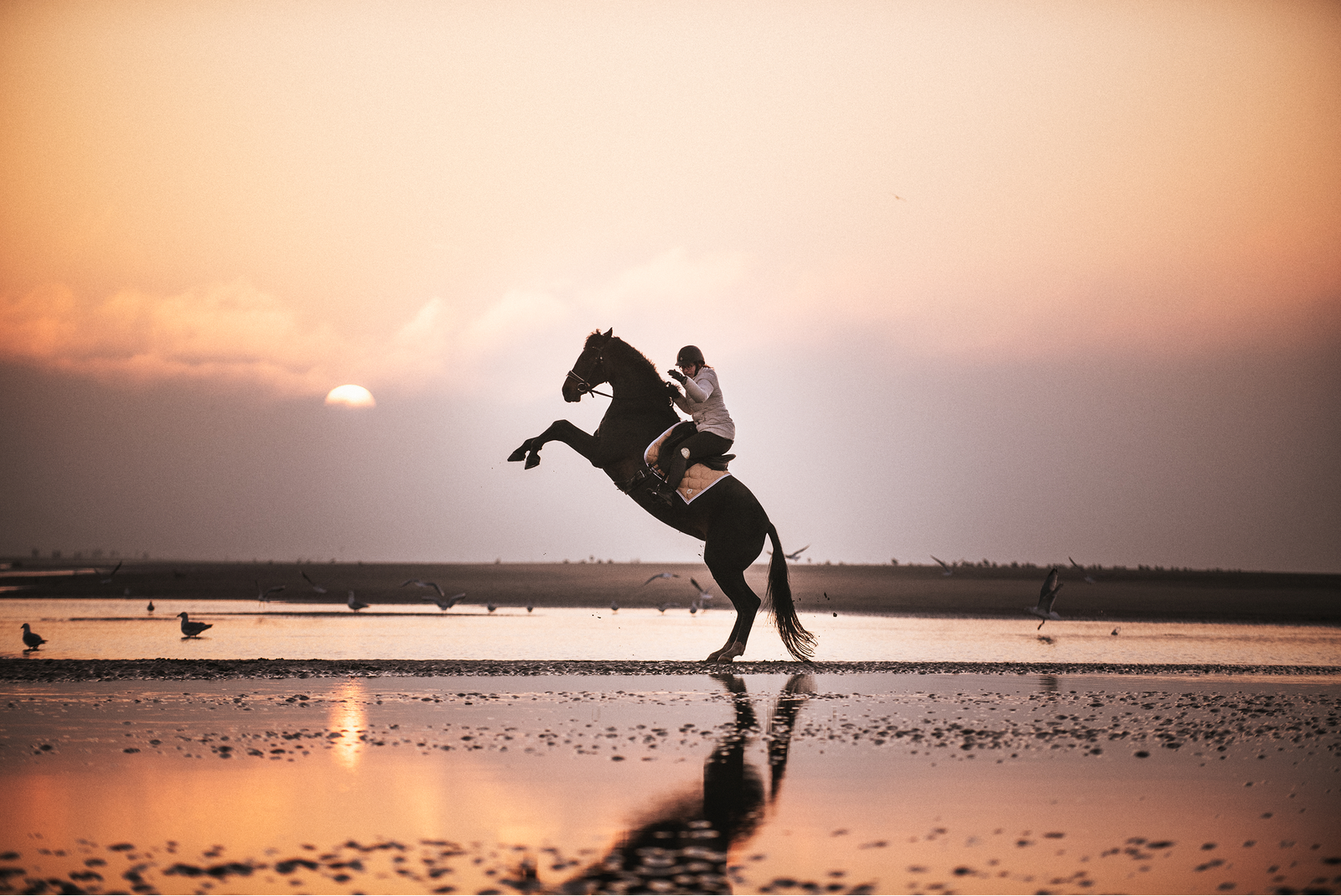
1. Groom your horse
A clean, well-groomed horse helps create beautiful portraits, especially when we’re photographing close-up details, their coat, or their expression.
If possible, give your horse a thorough groom before the session. Pay particular attention to:
-
Their coat: Remove dust, dirt, and loose hair.
-
Their mane and tail: Brush out tangles and decide how you’d like them to look.
-
Their face: Gently clean around the eyes and muzzle.
-
Their legs: Remove visible mud and dirt where practical.
-
Their hooves: Clean them, especially if we’re creating full-body portraits.
If your horse has a white or light-coloured coat, a little extra attention to stains can make a difference.
That said, don’t panic over a little dust. Horses are horses. If they decide to roll in the sand five minutes after you’ve finished grooming, we’ll deal with it.
My tip: If your horse needs a bath, arrange it early enough for their coat to dry completely before the session. Avoid trying unfamiliar grooming products or treatments at the last minute.
If your horse has a white or light-coloured coat, a little extra attention to stains can make a difference.
That said, don’t panic over a little dust. Horses are horses. If they decide to roll in the sand five minutes after you’ve finished grooming, we’ll deal with it.
DON’T: Grease white hooves with black grease, the white hooves will still appear when you have walked through grass or sand!
TIPS: You can clean your horse’s face and eyes with wet wipes, grease the hooves with corn oil and use gloss spray over the body, then go over it with a washcloth = shine!
2. Decide how you want your horse’s mane and tail to look
Your horse’s mane and tail can change the entire feeling of a photograph.
A loose, flowing mane can create beautiful movement and a natural, romantic look. A neatly braided mane may suit a more polished equestrian portrait, while a traditional competition turnout might be perfect if you want to celebrate your horse’s sporting career.
Think about the style you’re drawn to:
-
Natural and flowing.
-
Neatly groomed and polished.
-
Braided or competition-ready.
-
A particular style that reflects your horse’s discipline.
There isn’t one correct answer. The most important thing is choosing a look that suits your horse and the photographs you want.
If you’re unsure, let me know beforehand. We can discuss the overall look of your session and plan accordingly.
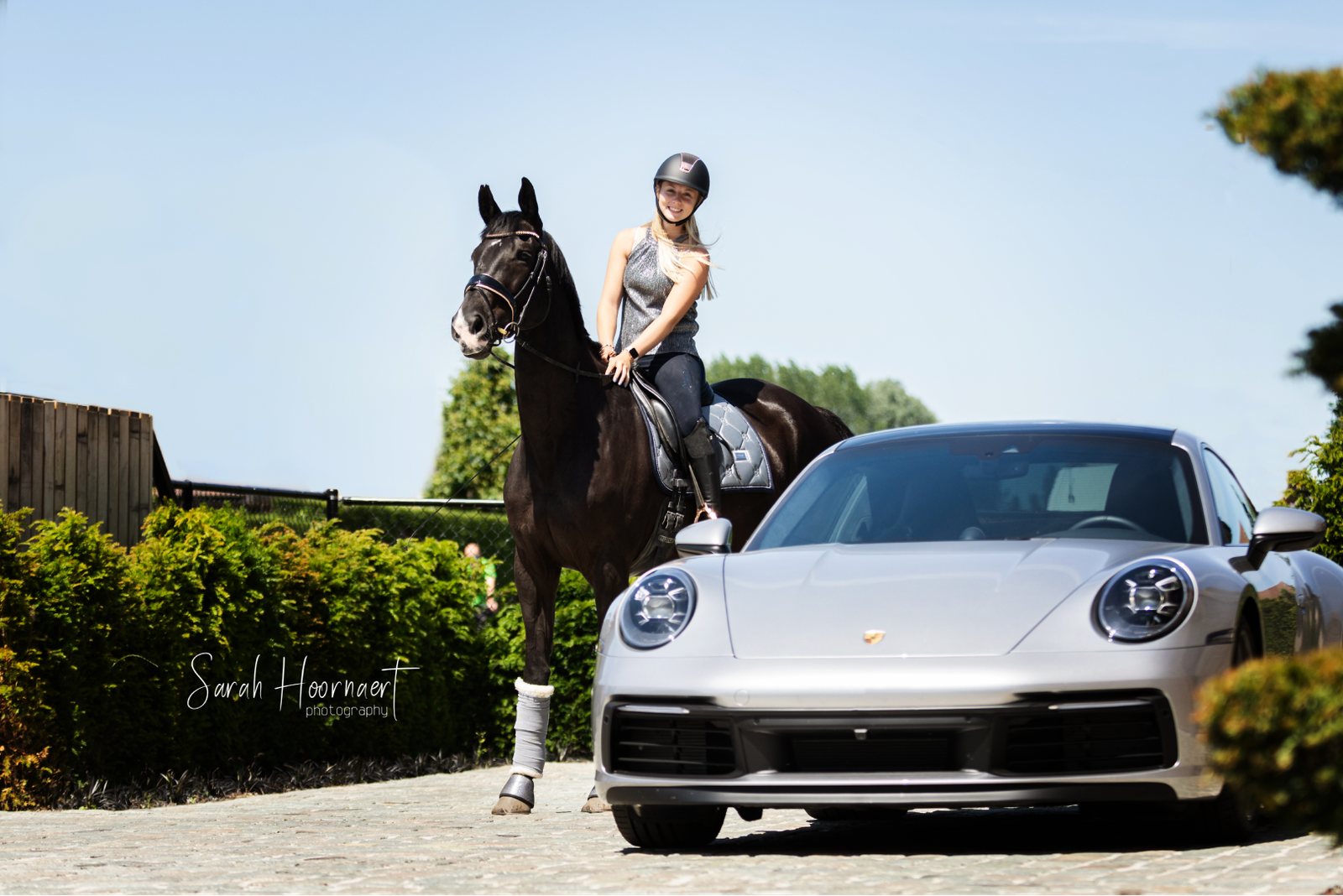
3. Choose what you’ll wear for your horse photography session
If you’re joining your horse in the photographs, your outfit deserves a little attention too.
You don’t need an elaborate dress or an expensive riding outfit to create beautiful images. What matters is choosing something that makes you feel comfortable and confident while complementing your horse and the location.
For a natural, timeless look, consider:
-
Neutral colours such as cream, beige, brown, black, or soft grey.
-
Earthy tones that work beautifully with natural surroundings.
-
Muted colours that complement your horse’s coat.
-
Clothing that allows you to move comfortably around your horse.
-
Simple accessories that don’t distract from the connection between you.
For a more romantic or dramatic session, a flowing dress can create beautiful movement, particularly outdoors or in the desert.
If we’re photographing you riding, your outfit should also be appropriate for the activity and the safety requirements of the location.
Try to avoid large logos, very busy patterns, or anything you constantly need to adjust.
My tip: Bring a second outfit if you’d like some variety in your gallery. We can discuss whether an outfit change makes sense for the time, location, and type of session you’ve booked.
And please don’t feel that you need to look like a professional model. You don’t. I’ll guide you throughout the session.
4. Think about the photographs you’d love to have
You don’t need a detailed shot list, but it helps to think about what matters most to you.
Perhaps you want a beautiful portrait of your horse to hang on your wall. Maybe you want photographs of the two of you together, or you want to capture the power and movement that make your horse such an incredible athlete.
You might love:
-
Beautiful close-up horse portraits.
-
Full-body portraits showing your horse’s build and presence.
-
Natural photographs of you interacting together.
-
Dramatic images with movement and a flowing mane.
-
Riding, jumping, or other action photographs.
-
Photographs that show your horse’s personality and little quirks.
-
A combination of portraits, details, and movement.
Save a few inspiration images if you have a particular style in mind, and share them with me before your session.
These references help me understand what you love, while leaving room for creativity and the unexpected moments that often become everyone’s favourites.
Materials: What should you prepare?
If we’re planning portraits with your horse, the equipment you bring can make a real difference to the final photographs.
If your horse needs a bridle, halter, or lead rope to be handled safely, make sure it is clean and in good condition. Muddy equipment can become distracting in a close-up portrait, especially when we’re aiming for a natural, timeless look.
Whenever possible, choose neutral colours that blend naturally with your horse and the surroundings, unless we’re working towards a particular theme.
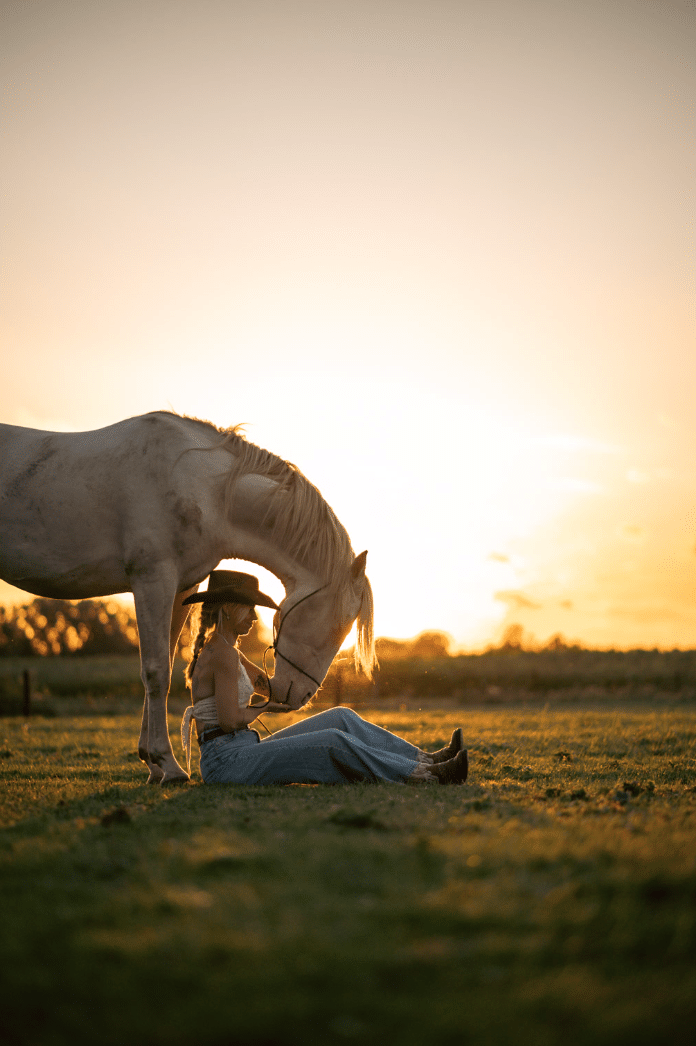
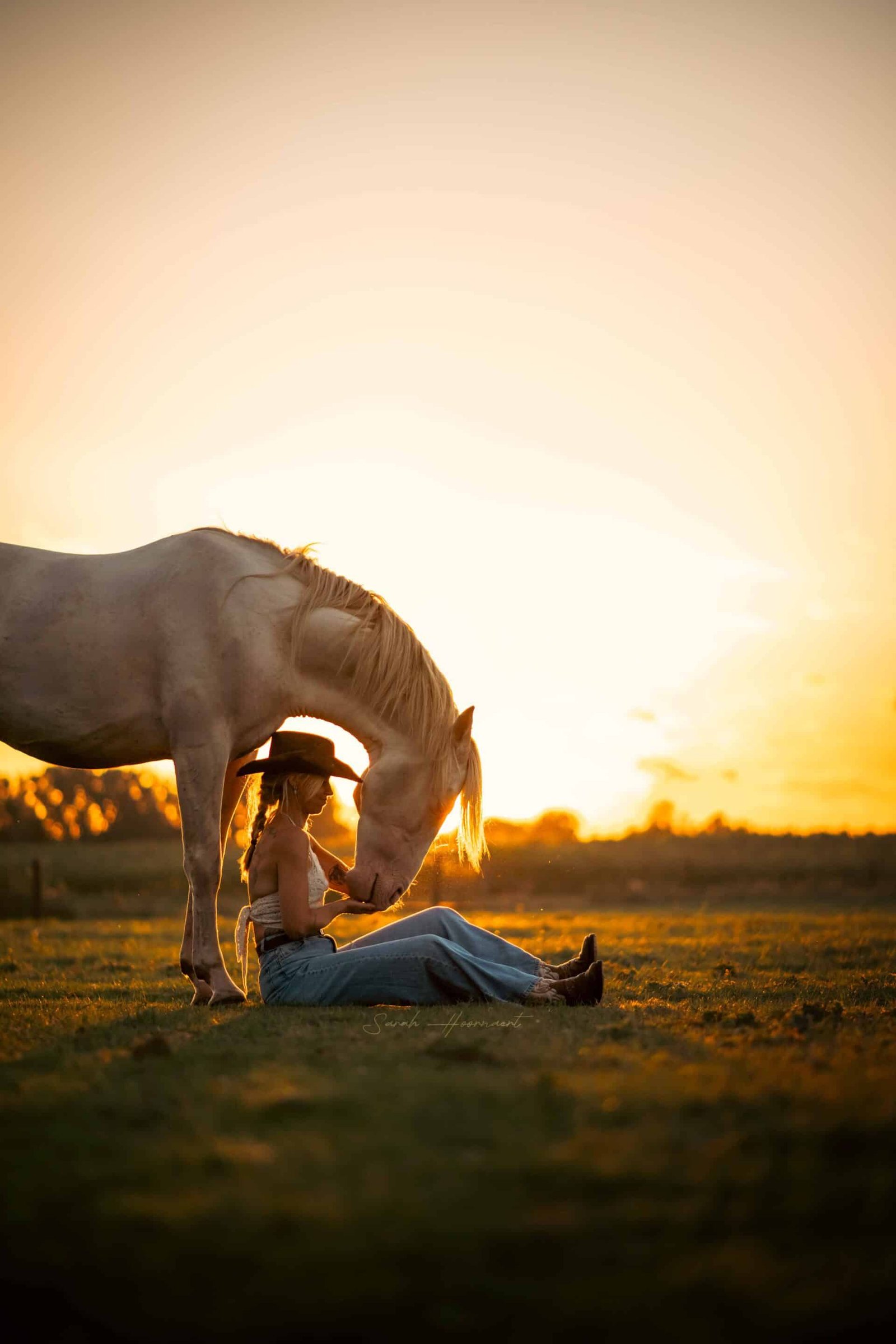
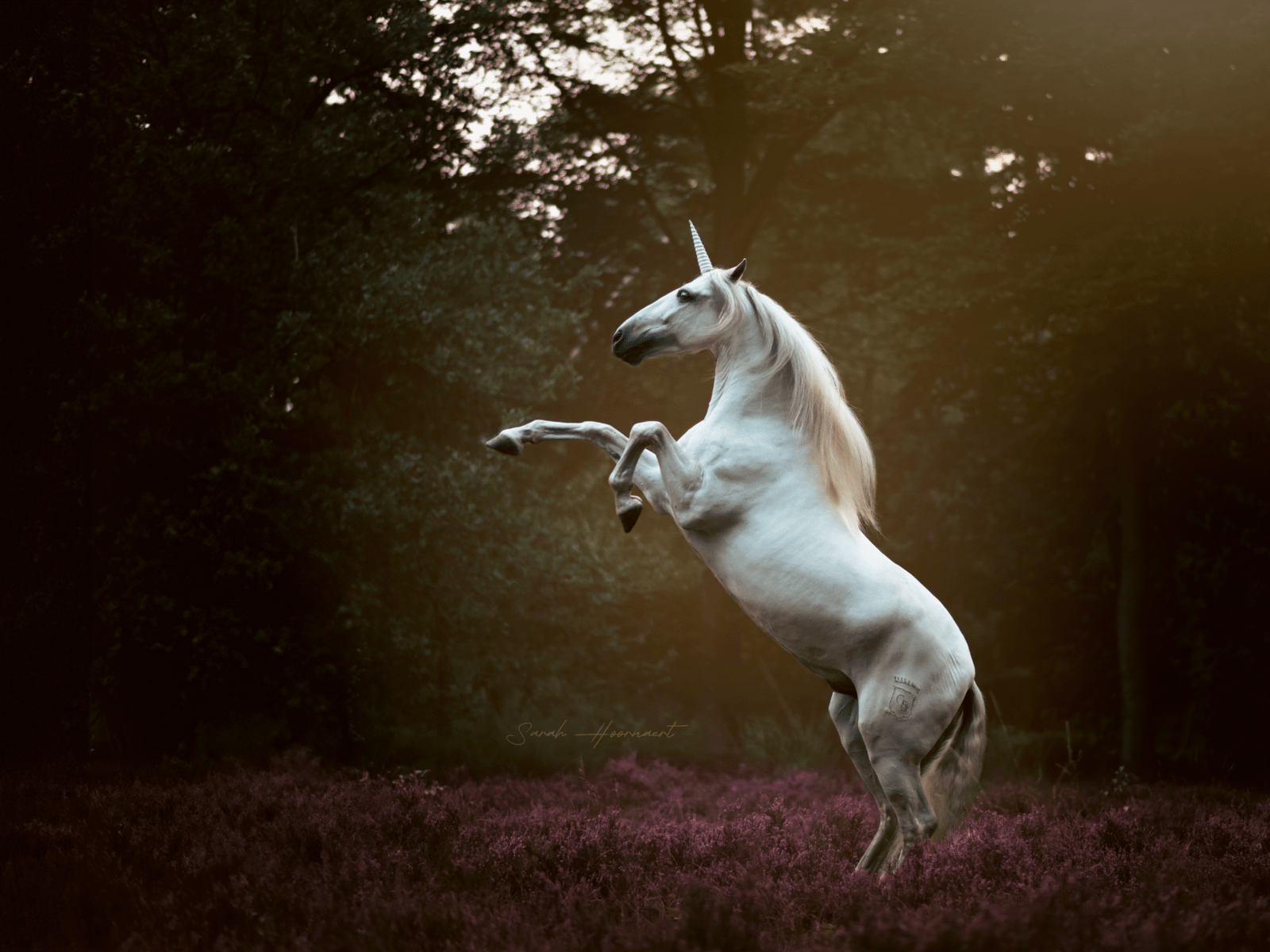
Loose horse portraits
For loose portraits, I have photography halters available that can help us achieve a more natural-looking result. We can discuss the most suitable option for your horse and the planned session.
If you’d like to wear a dress or a particular outfit, you’re welcome to discuss using one of mine or bringing your own clothes. Please send me a photograph of your chosen outfit beforehand so we can make sure it fits the overall look and style of the photographs we’re planning.
Above all, your horse’s safety comes first. Any equipment removal or changes to handling arrangements must be appropriate for the horse, the location, and the people involved.
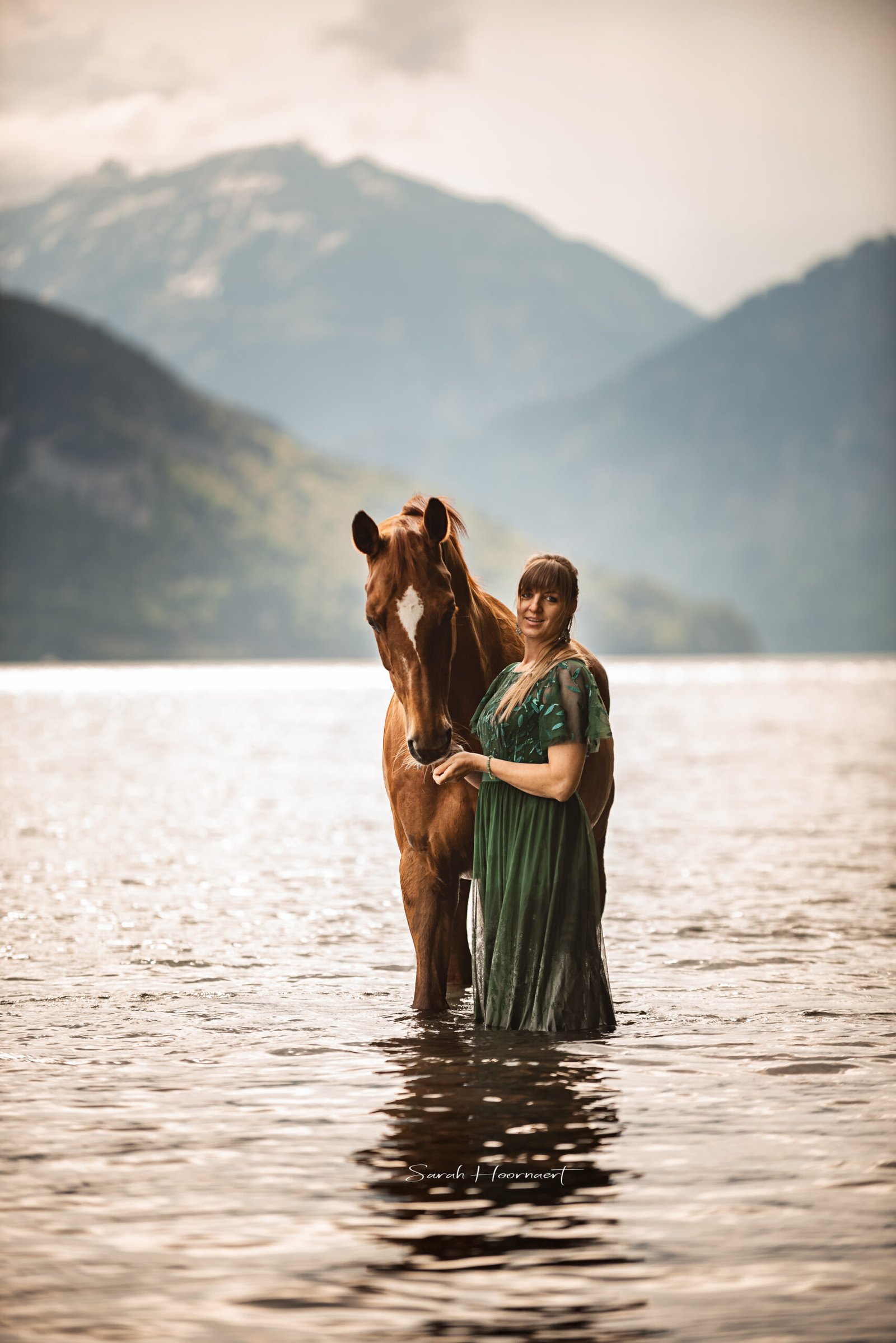
Location: Where should we photograph your horse?
Choosing the right location is an important part of planning your horse photography session. The surroundings, background, and available light all contribute to the final photographs.
Sometimes the best location is right at your own stable. Other times, a nearby field, quiet path, or suitable outdoor setting can offer a completely different look.
What makes a good location?
When looking around your stable or the surrounding area, pay attention to:
-
The background: Look for areas without distracting buildings, parked cars, fences, or other objects that might take attention away from your horse.
-
Trees and greenery: Trees can create beautiful, soft backgrounds and add depth to portraits.
-
Open spaces: Fields, quiet paths, and suitable open areas can work beautifully, depending on the style of photography we’re planning.
-
The light: The direction and quality of sunlight have a huge influence on the photographs. I pay particular attention to where the sun rises and sets when planning outdoor sessions.
-
The ground and surroundings: Choose somewhere safe and suitable for your horse, with enough space to work comfortably.
In Abu Dhabi, we can also explore suitable desert locations when access, permissions, weather, and safety conditions allow. The open landscape can create beautiful, dramatic portraits.
What if I want black-background horse portraits?
Black-background portraits have a very different look from natural outdoor photographs.
For this style, we need a suitably dark environment, such as a stable interior or doorway where the light and background can be controlled. An ordinary bright outdoor setting generally won’t provide the same effect.
If this is the style you love, let me know when booking so we can discuss whether a suitable location is available.
Don’t have a suitable location nearby?
Don’t worry. We can look at alternatives together.
Ask around your stable or among friends who own horses. You might discover a quiet field, a suitable walking route, or a beautiful area that you hadn’t considered before.
If we need to travel to another location, permission from the landowner or relevant property manager must be arranged in advance. We also need to make sure the area is safe and appropriate for bringing a horse.
When planning the meeting point, please keep in mind that I’ll be carrying photography equipment. A convenient parking area close to our shooting location is always appreciated, so we can spend more time photographing your horse and less time walking long distances with equipment.
Training: Does your horse need to practise before the photoshoot?
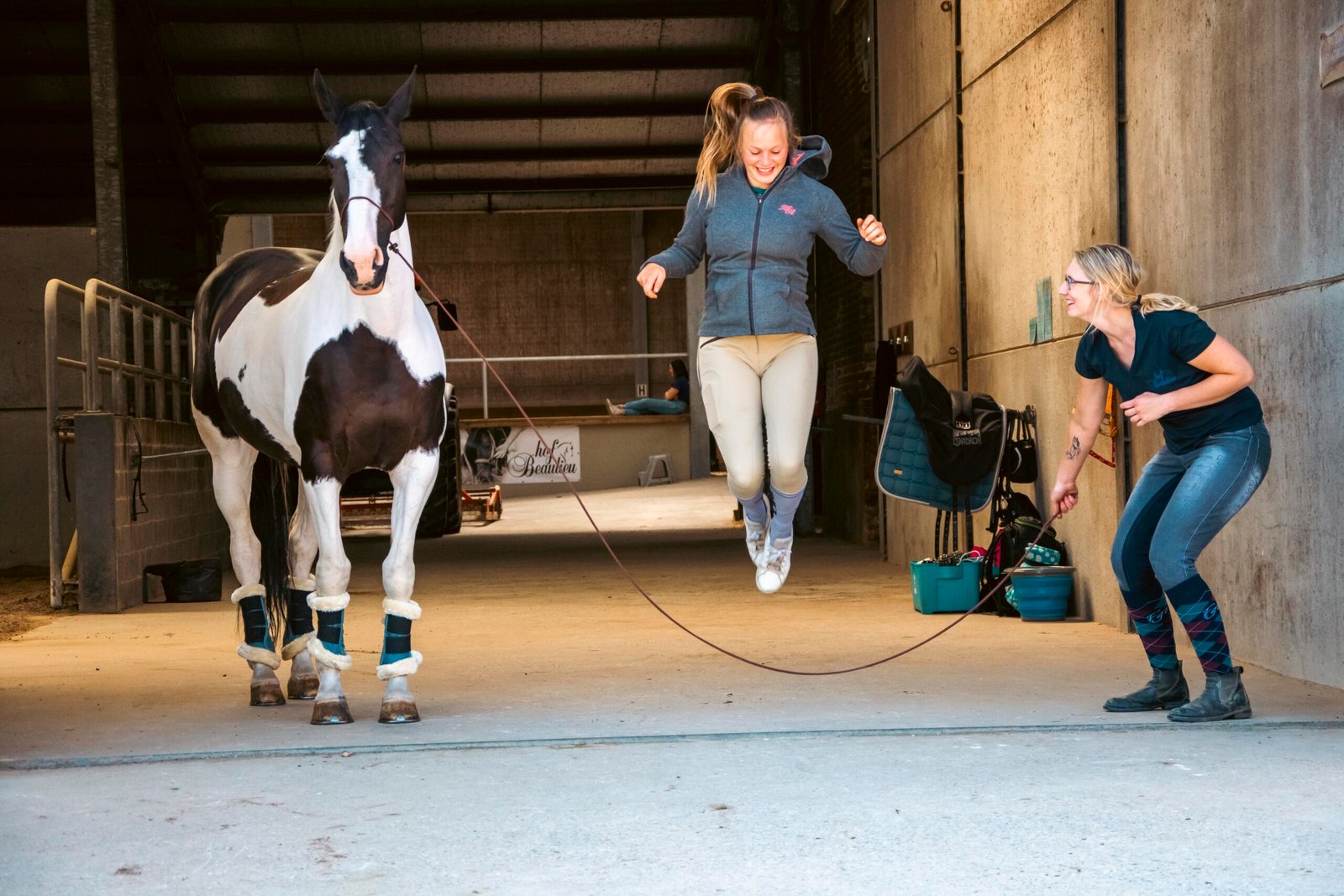
You might wonder why training would be necessary for a photography session. After all, we’re taking photographs, not preparing for a competition.
But some horses find standing still difficult. Others feel uncomfortable when someone unfamiliar is nearby or when they leave their usual stable environment.
A little preparation beforehand can make the experience much more relaxed for everyone.
Practise before the session
If your horse struggles to stand still or becomes unsettled in unfamiliar surroundings, try practising a few simple things before our session.
Depending on your horse and the photographs we’re planning, you could practise:
-
Standing calmly beside you for short periods.
-
Walking with you in a relaxed and controlled manner.
-
Becoming comfortable with someone standing nearby.
-
Visiting the planned location beforehand, if practical.
-
Standing or walking calmly alongside another horse, if we’ll be photographing two or more horses together.
You don’t need to turn this into an intensive training programme. Sometimes visiting the location once or twice beforehand is enough to help a horse become more familiar with the surroundings.
For horses that become stressed easily, keeping the experience short and positive is especially important. Work within their comfort level and seek guidance from a qualified trainer if needed.
Photographing two or more horses together
If we’re planning photographs with multiple horses, it helps to practise having them stand or walk together calmly before the session.
An additional handler may be useful, particularly when we need to manage several horses or distractions at the same time. We’ll discuss the arrangements beforehand so everyone knows their role.
The aim is to keep the environment as calm and predictable as possible, rather than trying to manage everything once the camera comes out.
What about treats and distractions?
Treats can sometimes help hold a horse’s attention, provided they’re appropriate for that horse and used safely.
It’s also worth thinking about the things that normally distract your horse. If your horse constantly tries to eat grass, for example, practise calmly redirecting their attention in a way that’s consistent with their usual handling.
We can work around many distractions during the session, but knowing your horse’s habits beforehand helps us plan more effectively.
If a particular handling method or piece of equipment is necessary for your horse’s safety, don’t change it simply for a photograph. We’ll adapt the session to your horse rather than compromising their comfort or safety.
Your content goes here. Edit or remove this text inline or in the module Content settings. You can also style every aspect of this content in the module Design settings and even apply custom CSS to this text in the module Advanced settings.
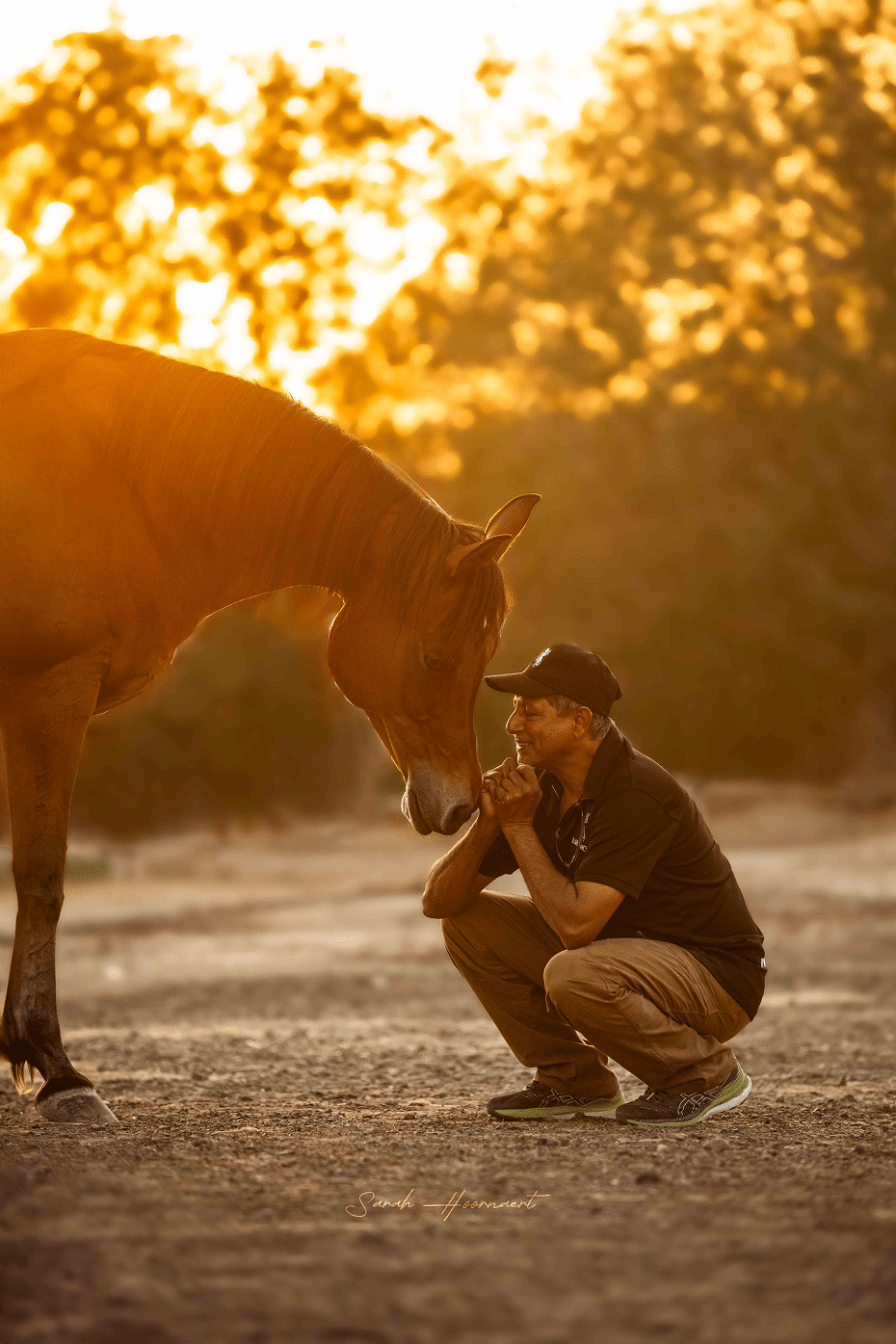
Preparing for the Abu Dhabi heat
If your session takes place in Abu Dhabi, the temperature is an important part of our planning.
We’ll arrange the timing with the weather, available light, location, and your horse’s comfort in mind.
Make sure fresh water is available, and follow your stable’s normal hydration, turnout, and exercise routines. Avoid unnecessary exertion before the session, especially during warmer weather.
Bring a towel, water, and anything your horse normally needs to stay comfortable.
If the weather or conditions become unsuitable, your horse’s wellbeing takes priority. We can discuss adjusting the timing or making alternative arrangements.
On the day of your horse photoshoot
1. Give yourself enough time
Try to allow enough time to groom your horse, prepare your equipment, and get yourself ready without rushing.
Arriving stressed and running late is no fun for anyone, particularly when you’re trying to enjoy an experience with your horse.
If you’re planning to ride before the session, let me know beforehand so we can discuss the schedule.
2. Let your horse settle
Horses are sensitive to their surroundings. Some are immediately curious about the camera, while others need a little time to get comfortable.
We’ll work at a pace that suits your horse.
If they need to look around, have a moment to settle, or take a break, that’s absolutely fine. We don’t need to rush through every photograph.
Some of the most beautiful images happen when we give horses the space to relax and show their natural personality.
3. Don’t worry about posing
You don’t need to know how to position your horse perfectly or where to stand in every photograph.
That’s my job.
I’ll guide you when needed and suggest simple adjustments to help create flattering, natural images. Sometimes I’ll ask you to change your position or move your horse slightly. Other times, I’ll simply photograph the interaction happening in front of me.
You don’t need to perform for the camera.
Focus on your horse, enjoy being together, and let me take care of the photographs.
4. Bring patience, not perfection
Your horse might move when we’d hoped they’d stand still. Their ears might point in every direction except towards the camera. They might decide that the most important thing in the world is investigating a patch of grass.
That’s part of photographing animals.
We’ll adapt, try different approaches, and make use of the moments your horse gives us.
The goal isn’t to force a horse into a perfect pose. It’s to create photographs that show who they really are.
What if my horse won’t stand still?
Don’t worry. A horse that moves around doesn’t automatically make a photoshoot difficult.
Some horses are naturally energetic, curious, or easily distracted. Others become more relaxed as they get used to the environment.
Rather than spending the entire session trying to make your horse stand in one position, we can incorporate movement, natural interaction, and different approaches to create a varied gallery.
If your horse is more comfortable moving than standing still, we can work with that where appropriate.
And if we need a little patience between photographs, that’s fine too.
Your horse doesn’t need to behave like a statue to be photographed beautifully.
What if my horse is nervous?
Let me know before the session if your horse is nervous around unfamiliar people, equipment, or environments.
This helps me plan a more suitable approach and gives us the opportunity to discuss any precautions we may need.
We’ll allow your horse time to settle, avoid unnecessary pressure, and adjust the session if something isn’t working.
You know your horse better than anyone, so your insight is valuable.
If your horse becomes uncomfortable or distressed, we’ll pause and reassess. No photograph is worth compromising their welfare.
Your horse doesn’t need to be perfect.
They don’t need to stand perfectly still. They don’t need to look like a competition champion. And you don’t need to have everything figured out before you arrive.
They just need to be themselves.
Because one day, it won’t be about whether their mane was perfectly groomed or whether every photograph went according to plan.
It will be about remembering the horse who changed your life. The way they looked at you, the little habits that made you laugh, and the feeling of standing beside them.
Those are the moments worth keeping.
And that’s what I want to help you capture.
Ready to book your horse photography session in Abu Dhabi?
Let’s make memories you’ll never want to forget. 🤍
Horse Photoshoot Preparation — Frequently Asked Questions
Does my horse need to be perfectly groomed?
No. A good groom helps create polished photographs, but your horse doesn’t need to look competition-ready. We’ll work with their coat, natural features, and the style of photographs you’re hoping to create.
Should I bathe my horse before a photoshoot?
You can, if bathing is part of your horse’s normal grooming routine and the conditions allow enough drying time. There’s no need to introduce unfamiliar products or make last-minute changes to their routine.
Should I braid my horse’s mane?
That depends on the look you want. A flowing mane can create a natural, romantic feel, while braiding can suit a more formal equestrian style. We can discuss your preferences before the session.
Can I be photographed with my horse?
Absolutely. In fact, I encourage it.
Your relationship with your horse is part of their story, and photographs together can become some of the most meaningful images in your gallery.
You don’t need to know how to pose. I’ll help you feel comfortable and guide you throughout the session.
What should I wear for a horse and owner photoshoot?
Choose something comfortable that complements your horse and the setting. Neutral and earthy tones often work beautifully, but the best choice depends on the look you’re hoping to create. If you’re unsure, I’m happy to discuss outfit ideas with you.
What if my horse is muddy?
Give them a good groom and remove as much dirt as practical. If they get muddy again, don’t panic. We’ll make the best of the situation, and a little natural mess isn’t the end of the world.
How long does a horse photography session take?
The timing depends on the type of session, location, and photographs planned. We’ll discuss the schedule beforehand so you know what to expect and have enough time to prepare your horse.
Where do horse photography sessions take place?
I photograph horses in Abu Dhabi, with suitable locations depending on your horse, the style of photography you want, and access permissions. Sessions may take place at your stable or at an appropriate outdoor location, including desert settings where permitted.
When is the best time for horse photography in Abu Dhabi?
Timing depends on the season, temperature, light, and your horse’s comfort. We’ll choose a suitable time for the planned session and make adjustments if conditions aren’t appropriate.
How do I book a horse photography session?
Get in touch and tell me a little about your horse, where you’re based, and the kind of photographs you’re dreaming of. We’ll discuss your ideas, the location, and the best approach for your session.
All content Copyright © 2025 Sarah Hoornaert Photography